The NWBLK
A new design-build workshop, gallery—and food truck rotation—takes over San Francisco's Mission District.
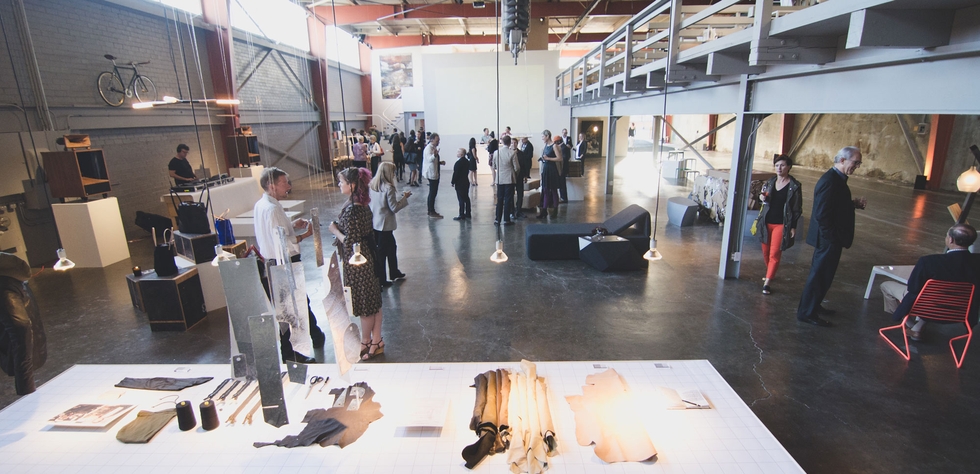
The relentless entrepreneurs behind The NWBLK, a new multipurpose space with a big mission, are transforming 1999 Bryant Street in San Francisco’s Mission District into a design collective for use by all—all in the name of good, honest design.
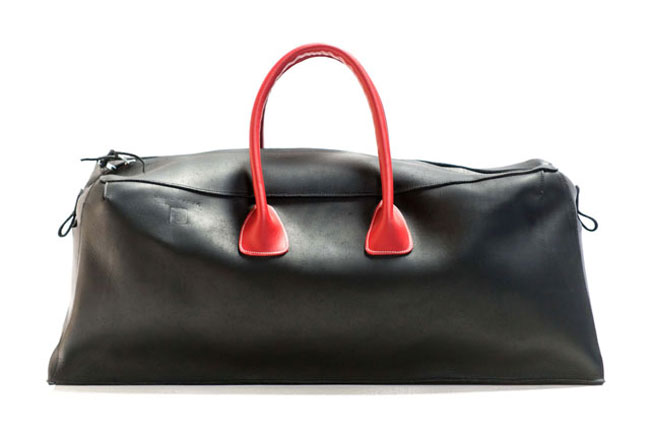
Basil Racuk - Weekender, Photo by Mitchell Burbick
Housed in a former manufacturing facility built by American Can Company in 1951, The NWBLK is part fabrication workshop, part public gallery, working in unison to build a community of compelling creatives with a high degree of integrity. “Early on, we chose to utilize the space in creative ways to generate a flow of energy that would be supportive to the business,” says Bob Wilms, Development Director at The NWBLK. Take a quick look around the 12,500 square foot property and you’ll find not only a workshop and gallery, but also coworking spaces occupied by a modeling agency (because, as Wilms points out, who doesn’t like looking at pretty people walking around half naked?), an architect, a tech startup, and a residential developer, not to mention a parking lot filled with a rotating roster of the finest food trucks in the city, also known as The Mission Dispatch. “We envisioned The NWBLK being a convergence point for creatives, designers, and consumers not only from the neighborhood, but from the technology industry and elsewhere, to meet, collaborate, and build community.”
“We envisioned The NWBLK being a convergence point for creatives, designers, and consumers not only from the neighborhood, but from the technology industry and elsewhere, to meet, collaborate, and build community.”
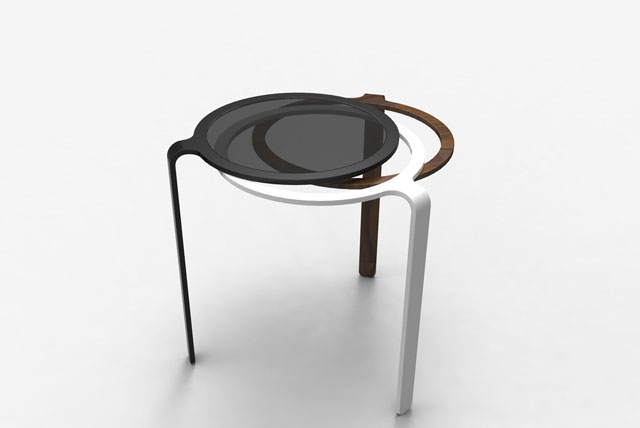
Brad Ascalon - Rely
Founded by industrial designer and entrepreneur, Steven Miller, The NWBLK is an attempt to break down the barriers between designers and the public that prevent people from experiencing good design. Miller and his team of creative masterminds—Development Director, Bob Wilms, the man who was responsible for bringing great success to antique house COUP D’ETAT and Production Director, David Fredrickson, the founder of Figureplant, a design and fabrication resource—knew that creating a venue for both the products and the designers to interact with the public was paramount to the success of The NWBLK from the start. “When Steven and I started workshopping the concept in June 2011 and took a look at what’s out there in the marketplace, we both felt that there was a gaping hole where traditional galleries and showrooms existed,” says Wilms. “We wanted to create a vehicle for the designers and makers in the world of applied arts that are creating the most beautiful and compelling contemporary design objects in lighting, furniture, and fashion to launch their work in innovative ways to the public.” And like any good mentor, The NWBLK provides emerging designers with the opportunity for invaluable feedback and collaboration in the design process on through to the production, marketing, and presentation of the final product in the gallery for sale.
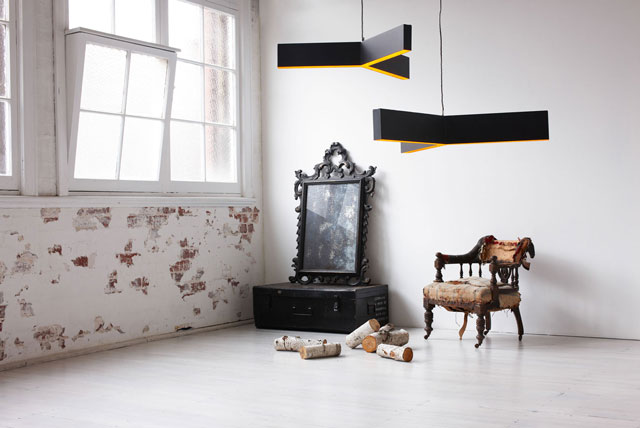
Christopher Boots - Bucky Black Square, Photo by John Tsiavis
“As with all of our designers, we’re looking for great, humble, cool people that are 100% committed to their craft,” says Wilms. “We’re on a mission to showcase the most compelling design objects we can find.” Their current inventory includes the works of designers such as Christopher Boots, an Australian lighting designer who chose to launch his handmade lighting masterpieces at The NWBLK (pictured, above). Designer Brad Ascalon’s Rely table (seen above), which is based on the concept of interdependence (each leg and ring is dependent on the other for the table to work), as well as handmade wood pieces from Yaffe Mays (below), the partnership of Rebecca Yaffe and Laura Mays, the Director of The College of the Redwoods Fine Woodworking Program are up for grabs, too.
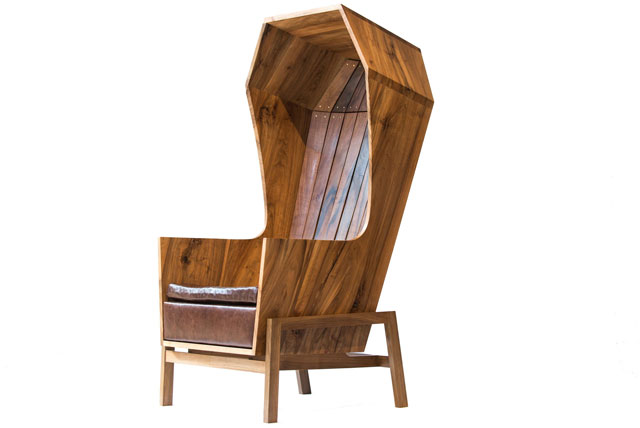
Yaffe Mays - Personhood Angle Main photo by Mitchell Burbick
“We’re definitely not the first gallery or brand to build a workshop in the gallery and we’re just in the very beginnings of this project, but I do think that we’re doing some things right,” says Wilms “And it’s exciting to have a bunch of power tools fired up in a building with such a rich history of manufacturing in its bones.”