Pitchfork   Festivals: Chicago | Paris
DANGEROUS OBJECTS MADE SAFER

In a typewritten letter, Lenka Clayton announced why she started her conceptual Artist Residency In Motherhood:

"I find now that many aspects of the professional art world are closed to artists with families. Most prestigious artist residencies for example specifically exclude families from attending…"

Her artist's statement finishes:

"I will undergo this self-imposed artist residency in order to fully experience and explore the fragmented focus, nap-length studio time, limited movement and resources and general upheaval that parenthood brings and allow it to shape the direction of my work, rather than try to work "despite it".

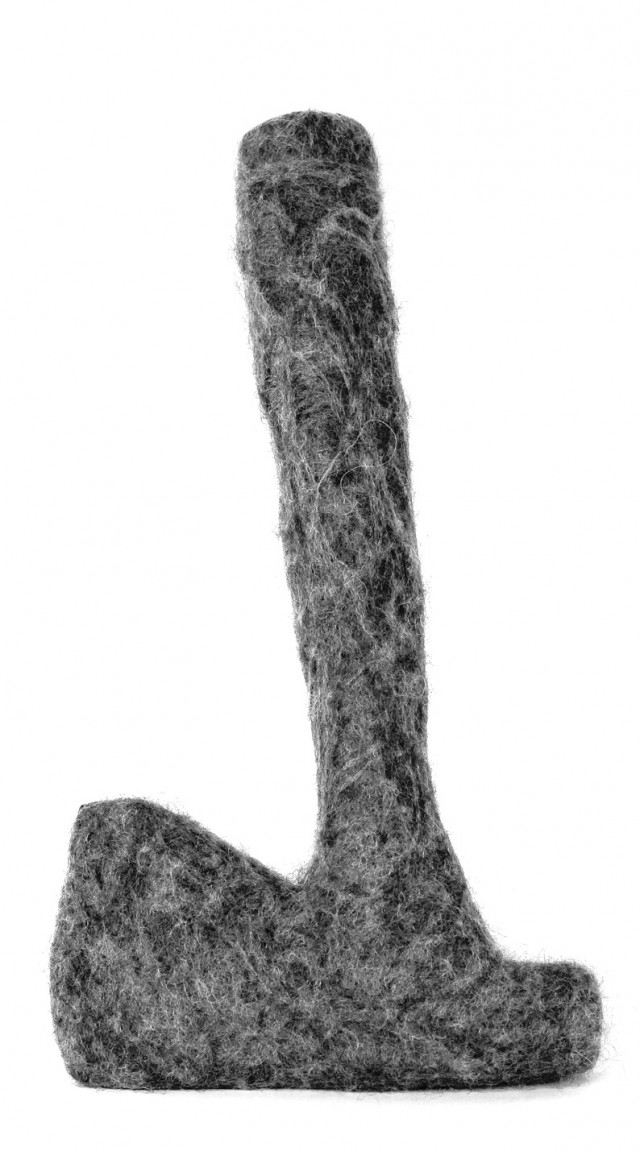
Since beginning her residency in September, Clayton has produced around 16 works and maintained an extensive studio diary. True to her original mission, her work explores the duties of motherhood including a sculptural proposal about child-proofing a curator's office, an archive of items found in babies' mouths, a pair of baby pants made from the child's great-grandfather's pants, and a collection of potentially dangerous items rendered in soft fabric.

More journal entries

When Evangelia Koutsovoulou moved from rural Greece to Milan, Italy her cooking suffered. She realized city cooks didn't have access to the same herbs founds in the mediterranean country side, so she launched a Kickstarter campaign to start distributing fresher Sage, Bay Leaves, Oregano, and Thyme.

But because she's not the biggest fan of cameras, and Kickstarter campaigns require a video element, she commissioned friends to tell the story of her two-year search for the best herbs in a simple but impressive animated short. Koutsovoulou also designed a strong branding identity for the herbs: each package is shipped in a small foldable bag with a cleanly designed name and information card affixed to the front. A tiny yellow sun at the bottom of the card contrasts the blue sans serif type, and along with the market-style bag, connotes freshness. 

Pledge some money and become an official "Oregano Tester"


Put simply, the colors in Nadja Staubli photos are surprising. Whether it's an image of a Martian red sky above an indoor pool, or a three-color pastel mansion shot from the parking lot, Staubli finds colors and shapes that don't seem of this world. Instead her collections read as a kind of happily distorted vacation diary that pays more attention to unexpected patterns in swimming pools, golf courses, and highways than documenting sights and people. [Via It's Nice That]


from Community


from Urtropica

from P.U.R.P.L.E

While it might be mid-May, it still gets a little chilly in Los Angeles at night. In an effort to help those stranded without a sweater and sell a few ponchos, the L.A.-based poncho company Señor Tyrone just launched a "Poncho Express" program that promises local delivery of one of its fine, made-in-the-Andes ponchos in under an hour with only a simple tweet. To get your hands on an emergency poncho, all you have to do is send a tweet to @senortyrone bearing the hashtag #ponchoexpress with your location. Delivery is free, and the messengers accept cash and credit. And the good news for cold folks in New York is that a similar service is planned for a fall launch. 

Before you get stuck poncho-less out in the cold, head to Señor Tyrone to see if you're in the delivery zone.


After the end of World War II, a number of writers and creatives left home in Europe and immigrated to the United States and Canada. One group of Latvian writers and artists, who set up new lives in Canada, launched a magazine called Jaunā Gaita, or "The New Course," to create work about their unfamiliar surroundings. While the content was notable on its own, the magazine also developed a cohesive tone with their cover art for each issue, typically featuring a bold design and rarely more than three colors. The magazine is still active in the increasingly rare print format, and although printing technology has made full color images commonplace, Jaunā Gaita often still opts for the simplicity of a two-color design.

Check out the Jaunā Gaita archives to see even more covers and features.